


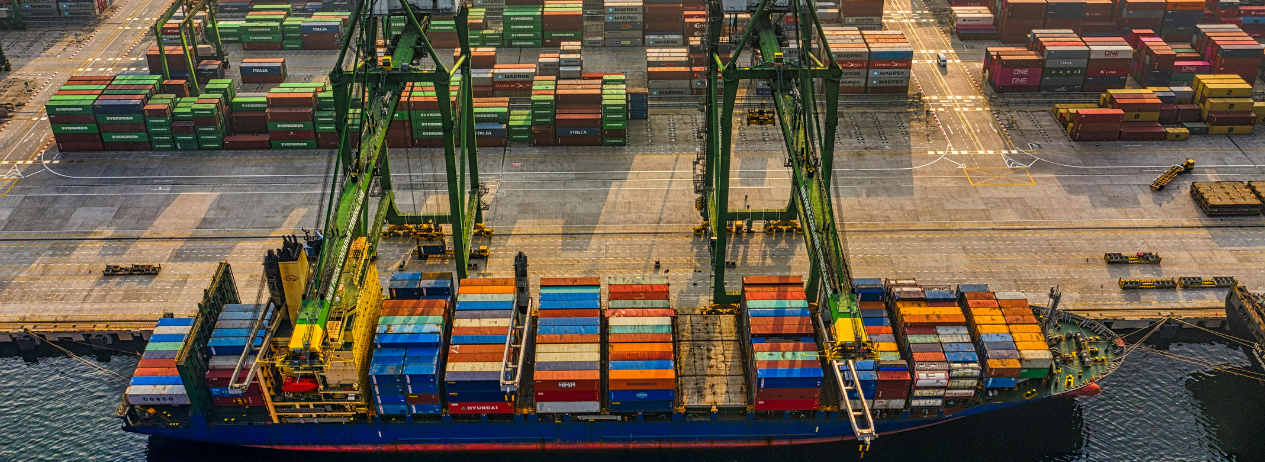
The Port of Pittsburgh plays a critical role in the industrial and logistics economy of the Ohio River Valley. Unlike coastal ports built around containerized trade and passenger traffic, Pittsburgh’s river system supports barge operations, bulk materials, energy production, and heavy industry. These environments operate continuously, often with limited pauses, and security must function as part of the daily rhythm rather than as a stand‑alone control.
River‑based industrial operations introduce a distinct set of challenges. Facilities may be spread across long stretches of shoreline, connected by water rather than road. Activity is shaped by weather, river conditions, and seasonal shipping cycles. For owners and operators, maintaining situational awareness across these sites requires coordination, not just presence.
How Risk Takes Shape Across River Operations
Several factors influence how risk develops across the Port of Pittsburgh and surrounding industrial river facilities:
- Distributed infrastructure across long corridors
Terminals, docks, and processing sites are often separated by miles of river, making consistent oversight more complex than at centralized facilities.
- Heavy equipment and continuous operations
Barges, cranes, conveyors, and loaders operate around the clock, increasing exposure to safety incidents, unauthorized access, and asset damage.
- Mixed access requirements
Employees, contractors, inspectors, and transport crews often rotate through shared entry points, sometimes on compressed timelines.
- Environmental conditions
Weather, flooding, and visibility changes can alter operating conditions quickly, affecting both security posture and response capability.
- Jurisdictional overlap
Industrial river environments frequently involve multiple authorities, regulatory bodies, and property boundaries, which can complicate accountability if roles are not clearly defined.
- Irregular operational tempo
Activity levels can shift dramatically based on shipping schedules, commodity demand, and maintenance cycles, creating periods where staffing and oversight must adjust quickly.
- Limited physical boundaries
River access, open yards, and temporary docking areas can blur the line between controlled and uncontrolled space, especially during peak movement periods.
- Asset concentration during staging periods
Materials and equipment are often staged in advance of movement, creating short-term concentrations of high-value assets that require additional attention.
Where Oversight Becomes Critical
Risk in industrial river environments rarely announces itself as a single event. More often, it appears when routines become predictable and small gaps go unnoticed. Overnight operations, low‑traffic windows, and handoffs between shifts are common moments where visibility can thin. Without clear communication and continuity, minor issues can accumulate into operational disruption or safety concerns.
Supporting Industrial Continuity
Effective river and port security supports more than protection. It enables operations to move predictably, safely, and without unnecessary interruption. Programs that align staffing, access control, and reporting with how industrial facilities actually function are better positioned to sustain long‑term performance.
At PalAmerican, experience supporting port, industrial, and critical infrastructure clients across North America informs security programs designed for continuity, coordination, and evolving operating conditions. The result is security that fits the environment rather than competing with it.